
Disposable Vape Maintenance and Safe Handling

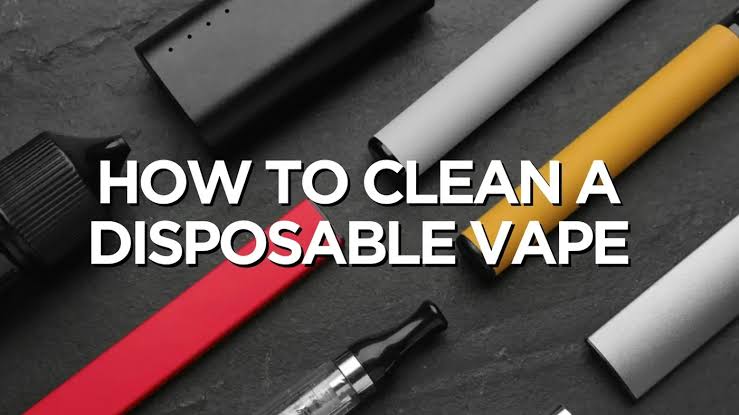
Disposable vapes are designed to provide a simple, convenient, and maintenance-free vaping experience. Unlike refillable vape kits, they come pre-filled with e-liquid and are ready to use straight out of the package. Although they require far less upkeep than reusable devices, proper handling and basic maintenance practices can help ensure optimal performance, consistent flavour, and improved safety throughout the device’s lifespan.
Many users assume disposable vapes require no care at all, but improper storage, rough handling, and incorrect charging practices for rechargeable disposable models can affect both performance and longevity. By following a few simple guidelines, you can enjoy a smoother vaping experience while reducing the risk of leaks, damage, or battery-related issues.
Store Your Disposable Vape Properly
Proper storage is one of the easiest ways to maintain the quality of a disposable vape.
Always keep the device in a cool, dry location away from direct sunlight and excessive heat. High temperatures can thin the e-liquid, increasing the chance of leaks and affecting flavour quality. Excessive heat may also place unnecessary stress on the built-in lithium-ion battery.
Cold temperatures should also be avoided whenever possible. Extremely low temperatures can thicken the e-liquid, making it harder for the wick to absorb the liquid efficiently and reducing vapour production.
Whenever possible, store your disposable vape upright. This helps keep the internal wick properly saturated while reducing the likelihood of e-liquid collecting around the airflow system.
Avoid Physical Damage
Although disposable vapes are compact and portable, they are not designed to withstand heavy impacts.
Dropping the device onto hard surfaces can damage the internal battery, airflow chamber, or heating element. Even if no visible damage is present, the internal components may become misaligned, leading to poor performance or device failure.
Avoid carrying disposable vapes loosely in pockets or bags alongside keys, coins, or other sharp objects that may scratch or damage the mouthpiece.
Using a protective carrying case can help reduce accidental damage while travelling.
Keep the Mouthpiece Clean
The mouthpiece is the part of the device that comes into direct contact with your lips, making regular cleaning important for both hygiene and performance.
Use a clean, dry tissue or soft cloth to wipe the mouthpiece periodically. Dust, pocket lint, and other debris can accumulate over time, potentially affecting airflow.
Avoid using water or cleaning chemicals directly on the device, as moisture may enter the airflow channel and damage internal components.
If the airflow seems restricted, gently inspect the air intake holes and remove any visible debris without inserting sharp objects into the device.
Protect the Battery
Most disposable vapes contain built-in lithium-ion batteries. While these batteries are generally reliable, proper handling is essential for safe operation.
Never puncture, crush, bend, or attempt to open the device. Damaging the battery can create serious safety hazards.
Avoid exposing disposable vapes to direct sunlight for extended periods, especially inside parked vehicles where temperatures can rise significantly.
Do not leave the device near open flames, heaters, or other heat sources.
If the disposable vape becomes unusually hot during use or charging, stop using it immediately.
Charge Rechargeable Disposable Vapes Correctly
Many modern disposable vapes feature rechargeable batteries that allow users to consume all of the pre-filled e-liquid before disposing of the device.
When charging a rechargeable disposable vape:
- Use the recommended charging cable.
- Charge on a flat, non-flammable surface.
- Avoid charging overnight.
- Disconnect the charger once the battery reaches full capacity.
- Never use damaged charging cables.
Overcharging may reduce battery lifespan and increase unnecessary heat generation.
If the device does not charge properly, inspect the charging port for dust or debris before assuming the battery has failed.
Prevent Leaks
Although disposable vapes are sealed units, leaks can occasionally occur due to improper storage or extreme temperatures.
To reduce the chance of leaking:
- Store the device upright whenever possible.
- Avoid exposing it to excessive heat.
- Do not leave the vape inside a hot vehicle.
- Avoid squeezing or applying pressure to the device.
- Handle it gently during transport.
If you notice e-liquid around the mouthpiece, simply wipe it away with a clean tissue before use.
Use the Device Correctly
Proper vaping technique can improve both performance and longevity.
Take slow, gentle puffs instead of sharp, forceful inhales. Most disposable vapes are activated automatically by airflow, meaning there is no need to inhale aggressively.
Avoid chain vaping by taking multiple long puffs in rapid succession. Continuous use may cause the coil to overheat, resulting in reduced flavour or a burnt taste.
Allow a few seconds between puffs so the wick has time to absorb more e-liquid.
Recognise When the Device Is Empty
A disposable vape is designed to be discarded once its e-liquid supply is depleted.
Common signs that the device has reached the end of its lifespan include:
- Noticeably weaker flavour
- Reduced vapour production
- Burnt or dry taste
- Blinking indicator light
- No vapour despite a charged battery
Continuing to use an empty disposable vape may damage the heating element and produce an unpleasant vaping experience.
Handle with Care During Travel
Disposable vapes are convenient travel companions, but proper precautions should still be taken.
Keep the device protected from excessive pressure inside bags or luggage.
Avoid placing heavy items on top of the vape.
If travelling by air, follow the airline’s rules regarding electronic devices and lithium-ion batteries. Disposable vapes should generally be carried in hand luggage rather than checked baggage, as required by many airlines.
Dispose of Used Disposable Vapes Responsibly
Disposable vapes contain batteries, electronic components, and plastic materials that should not be thrown into regular household rubbish whenever dedicated recycling facilities are available.
Many local recycling programmes and electronic waste collection centres accept devices containing lithium-ion batteries.
Before disposal:
- Ensure the device is no longer usable.
- Do not attempt to dismantle it.
- Never burn or incinerate disposable vapes.
- Follow local regulations for electronic waste disposal.
Responsible disposal helps reduce environmental impact while supporting safer recycling practices.
Common Mistakes to Avoid
Many disposable vape problems result from improper handling rather than manufacturing defects.
Avoid these common mistakes:
- Leaving the vape in direct sunlight.
- Charging overnight.
- Using damaged charging cables.
- Dropping the device repeatedly.
- Blocking airflow holes during use.
- Attempting to refill a non-refillable disposable vape.
- Taking excessively long or forceful puffs.
- Continuing to use the device after it is empty.
Avoiding these habits can significantly improve the overall vaping experience.
Basic Safety Guidelines
Safe handling should always be a priority when using any electronic vaping device.
Stop using the disposable vape immediately if you notice:
- Battery swelling
- Cracks in the device body
- Excessive heat during use
- Burning odours
- Smoke coming from the device
- Visible liquid leaking from inside the battery compartment
Never attempt to repair or modify a disposable vape. These devices are manufactured as sealed units and are not intended to be disassembled.
Keep disposable vapes out of the reach of children and pets, and always store them securely when not in use.
Final Thoughts
Although disposable vapes are designed for convenience and require very little maintenance, proper care and safe handling remain essential for achieving the best performance and ensuring user safety. Simple habits such as storing the device correctly, protecting it from extreme temperatures, cleaning the mouthpiece, charging rechargeable models responsibly, and avoiding physical damage can help maintain consistent flavour and vapour production throughout the device’s lifespan.
Equally important is recognising when a disposable vape has reached the end of its usable life and disposing of it responsibly. By following recommended maintenance and safety practices, users can enjoy a more reliable, hygienic, and satisfying vaping experience while reducing unnecessary risks associated with improper handling.