
Vaping in the UAE: A Guide to Local Regulations and Public Health

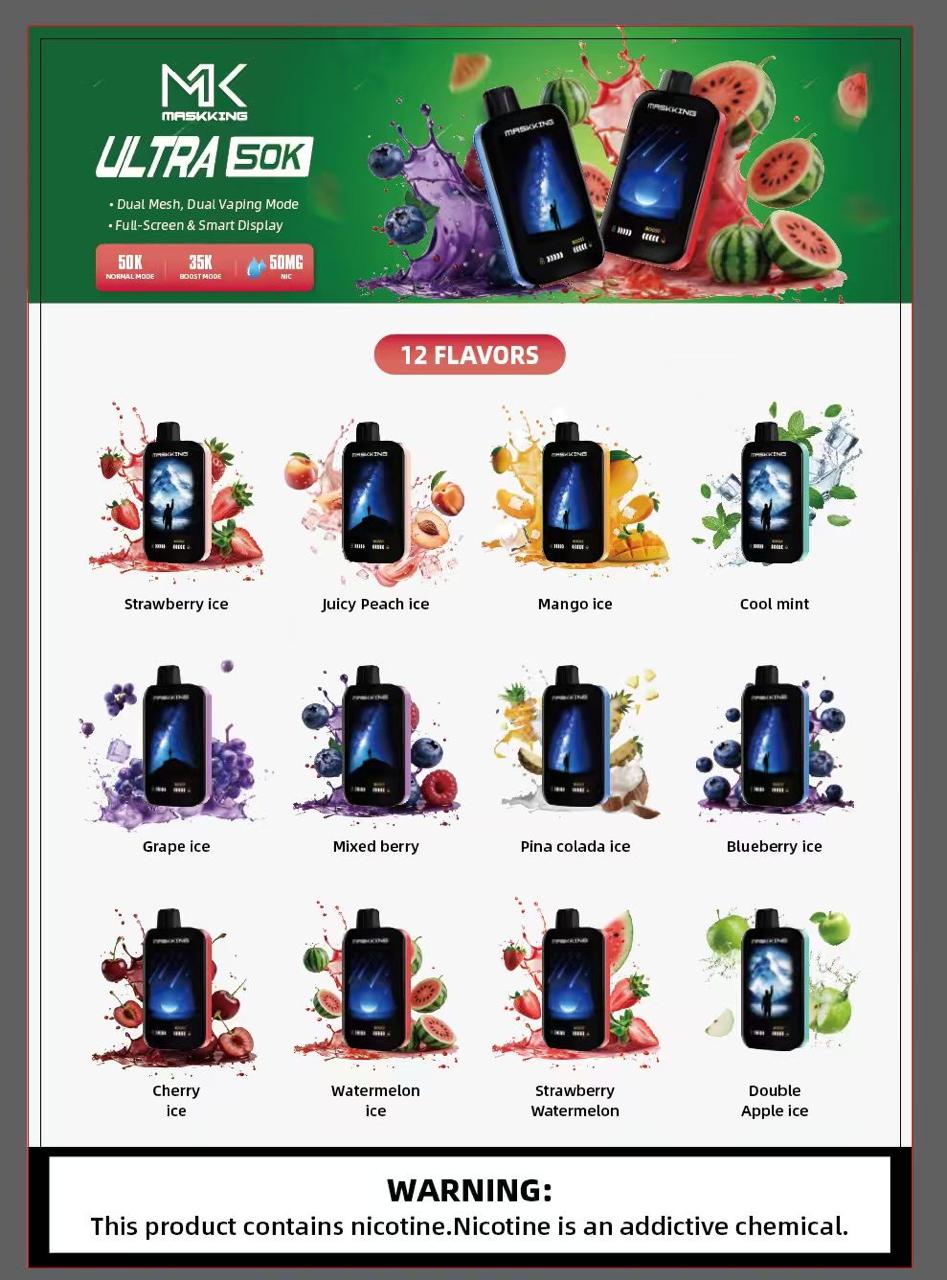
Vaping has become increasingly common around the world, including in the United Arab Emirates (UAE). As electronic cigarettes, vape devices, and e-liquids have become more widely available, many residents and visitors have questions about the country’s regulations and the potential health effects of vaping.
The UAE has established a legal framework that governs the sale, import, advertising, and use of vaping products. At the same time, public health authorities continue to monitor scientific evidence regarding the health risks associated with vaping, particularly for young people and individuals who have never used tobacco products.
This guide provides an overview of vaping in the UAE, explaining the regulatory landscape, public health considerations, and practical information for residents and visitors. Regulations can change over time, so readers should always verify the latest requirements through official UAE government sources before purchasing or traveling with vaping products.
Understanding Vaping
Vaping refers to the use of electronic devices that heat a liquid into an aerosol that is inhaled by the user. These devices are commonly known as:
- E-cigarettes
- Vape pens
- Pod systems
- Disposable vape devices
- Rechargeable vape kits
E-liquids may contain nicotine, flavorings, and other ingredients, although nicotine-free options also exist.
Unlike conventional cigarettes, vaping devices do not burn tobacco. However, this does not necessarily mean they are risk-free. Health authorities worldwide continue to study both the short-term and long-term effects of vaping.
UAE Regulations on Vaping
The UAE regulates vaping products through national standards designed to improve product quality and consumer safety.
These regulations generally cover:
- Product safety requirements
- Manufacturing standards
- Import requirements
- Retail sales
- Product labeling
- Packaging standards
Products sold legally in the UAE are expected to comply with applicable national regulations.
Age Restrictions
The UAE prohibits the sale of tobacco and nicotine products to minors.
Retailers are expected to verify the age of customers before selling regulated vaping products.
These restrictions are intended to reduce youth access to nicotine products and support public health objectives.
Public Places and Vaping
The UAE has smoking regulations that apply in many public locations.
Depending on the location, vaping may be prohibited in places such as:
- Government buildings
- Healthcare facilities
- Educational institutions
- Public transportation
- Shopping malls
- Restaurants
- Airports
- Indoor public areas
Some locations may provide designated smoking areas where local rules permit their use.
Users should always observe posted signage and follow local regulations.
Traveling with Vape Devices
Many travelers wonder whether they can bring vaping products into the UAE.
Before traveling, visitors should:
- Check airline policies regarding batteries and electronic devices.
- Review UAE customs requirements.
- Ensure products comply with applicable local laws.
- Carry batteries safely according to airline regulations.
- Follow airport security instructions.
Travel requirements may vary depending on your departure country, airline, and any updates to UAE regulations.
Product Standards
One reason governments regulate vaping products is to improve consumer safety.
Regulated products may be required to meet standards relating to:
- Ingredient disclosure
- Product labeling
- Manufacturing quality
- Electrical safety
- Battery performance
- Packaging requirements
Buying products from reputable retailers can help reduce the risk of counterfeit or non-compliant products.
Public Health Considerations
Health experts agree that vaping is not without risks.
Research continues to evaluate the long-term health effects, but current evidence indicates that vaping aerosols can expose users to nicotine and other potentially harmful substances.
Nicotine can:
- Increase heart rate
- Raise blood pressure
- Lead to dependence
- Affect adolescent brain development
- Contribute to addiction
For these reasons, health authorities generally advise that people who do not smoke should not begin vaping.
Youth and Vaping
One of the biggest public health concerns is youth vaping.
Nicotine exposure during adolescence may affect brain development, attention, learning, and memory.
Parents, schools, and healthcare professionals are encouraged to educate young people about the potential risks associated with nicotine products.
Preventing youth nicotine use remains an important public health priority in the UAE and globally.
Vaping and Smoking Cessation
Some adults who already smoke cigarettes use vaping products while trying to quit smoking.
However, the evidence regarding vaping as a smoking cessation aid continues to evolve.
Individuals wishing to stop smoking should consult healthcare professionals, who can recommend evidence-based cessation methods that are appropriate for their individual circumstances.
Secondhand Exposure
Although vaping generally produces fewer combustion-related chemicals than traditional cigarettes, the aerosol released into the air may still contain substances that others can inhale.
To reduce exposure to others:
- Follow local regulations.
- Avoid vaping around children.
- Respect smoke-free environments.
- Ask permission before vaping in private settings.
Being considerate helps create healthier shared spaces.
Environmental Responsibility
Used vape devices and batteries should never be discarded with ordinary household waste if local recycling options are available.
Lithium batteries require appropriate disposal because improper handling may create fire hazards.
Whenever possible:
- Recycle batteries through approved programs.
- Dispose of electronic waste responsibly.
- Avoid littering disposable devices.
Responsible disposal benefits both public safety and the environment.
Common Misconceptions
“Vaping is completely harmless.”
Current scientific evidence does not support this claim. While vaping differs from smoking combustible cigarettes, it is not risk-free.
“Nicotine-free means risk-free.”
Even nicotine-free products may expose users to other chemicals. Research into long-term effects is ongoing.
“Everyone can vape legally.”
Age restrictions and local regulations apply. Individuals should ensure they comply with applicable laws.
“Public vaping is allowed everywhere.”
Many public locations have restrictions on smoking and vaping. Always follow local rules.
Tips for Residents and Visitors
If you live in or are visiting the UAE:
- Stay informed about current regulations.
- Purchase products only from reputable retailers.
- Respect smoke-free areas.
- Keep vaping products away from children.
- Store batteries safely.
- Dispose of used devices responsibly.
- Follow airline and airport rules when traveling.
Frequently Asked Questions
Is vaping legal in the UAE?
The UAE has regulations that permit certain vaping products while subjecting them to safety, labeling, and sales requirements. Laws and regulations may change, so always verify current rules through official government sources.
Can tourists bring vape devices into the UAE?
Travelers should check current customs requirements, airline policies, and UAE regulations before traveling, as these requirements may change.
Can minors buy vaping products?
No. Age restrictions apply, and retailers are expected to verify eligibility before selling regulated products.
Can I vape indoors?
Many indoor public places prohibit smoking and vaping. Always follow posted rules and local regulations.
Are vape products safe?
Health authorities consider vaping to carry health risks, particularly due to nicotine exposure and the uncertainty surrounding long-term effects. Individuals who do not use tobacco are generally advised not to start vaping.
How should I dispose of vape devices?
Dispose of electronic devices and batteries responsibly using appropriate recycling or electronic waste programs where available.
Conclusion
The UAE has developed a regulatory framework intended to oversee the sale and use of vaping products while supporting consumer safety and public health. Whether you are a resident or a visitor, understanding local regulations can help you comply with the law and make informed decisions.
Scientific research on vaping continues to evolve. Health authorities consistently emphasize that vaping is not without risks, particularly for young people, pregnant individuals, and those who have never used tobacco products. Staying informed through official government guidance and trusted healthcare professionals remains the best way to understand both the legal requirements and the latest public health recommendations.