
VELO Nicotine Pouches All Flavors Reviews

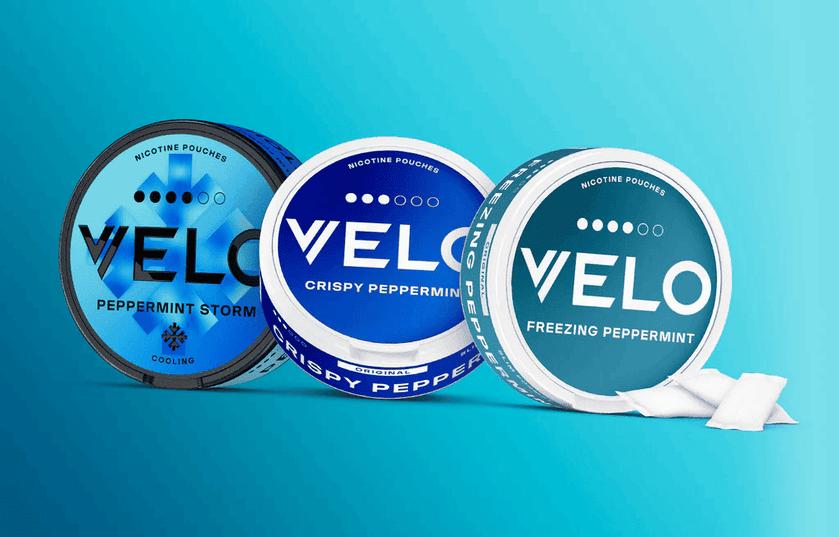
Nicotine pouches have become a widely discussed category of nicotine products in many parts of the world. Unlike traditional tobacco products, nicotine pouches are generally tobacco-leaf-free products that contain nicotine, flavorings, fillers, and other ingredients. They are typically placed between the gum and lip, where nicotine is absorbed through the oral tissues.
One of the most noticeable aspects of velo nicotine pouches is the wide range of available flavors. Manufacturers offer numerous flavor categories, including mint, fruit, beverage-inspired, and specialty blends. While flavors contribute to product variety, they have also become the focus of public health discussions regarding consumer appeal, nicotine use, and regulation.
This article provides a neutral overview of common nicotine pouch flavor categories and important considerations for consumers.
What Are Nicotine Pouches?
Nicotine pouches are small, pre-portioned packets that contain nicotine and flavoring ingredients. Unlike traditional smokeless tobacco products, many nicotine pouches do not contain tobacco leaf. Instead, they use nicotine combined with plant-based fibers and food-grade flavoring compounds.
Key characteristics include:
- Tobacco-leaf-free formulations in many products
- Multiple nicotine strength options
- Portable and discreet format
- Wide variety of flavor profiles
- No combustion or smoke production
Mint Flavor Category
Mint flavors are among the most common nicotine pouch varieties.
Examples include:
- Peppermint
- Spearmint
- Cool Mint
- Fresh Mint
- Wintergreen
- Menthol-style flavors
Mint products are typically characterized by a cooling sensation and a refreshing flavor profile. Some users prefer mint flavors because they tend to provide a clean taste experience compared with sweeter alternatives.
Fruit Flavor Category
Fruit flavors represent another major category within the nicotine pouch market.
Common examples include:
- Watermelon
- Mango
- Strawberry
- Blueberry
- Grape
- Cherry
- Peach
- Citrus blends
Fruit flavors are often described as sweet, tangy, or tropical. Manufacturers frequently combine multiple fruit notes to create more complex flavor profiles.
Citrus Flavors
Citrus-inspired nicotine pouches focus on bright and tangy flavor characteristics.
Examples include:
- Lemon
- Lime
- Orange
- Grapefruit
- Mixed citrus blends
These flavors are generally less sweet than dessert-style options and may provide a sharper taste experience.
Berry Flavors
Berry flavors form a distinct subcategory within fruit-flavored nicotine pouches.
Examples include:
- Blueberry
- Raspberry
- Blackberry
- Mixed Berry
- Wild Berry
Berry blends are often marketed as balanced combinations of sweetness and tartness.
Beverage-Inspired Flavors
Some nicotine pouch products are designed to resemble popular beverages.
Examples include:
- Coffee
- Tea-inspired flavors
- Cola-inspired varieties
- Energy drink-inspired blends
These flavors aim to replicate familiar beverage taste profiles.
Specialty and Mixed Flavors
Manufacturers often create unique flavor combinations that do not fit neatly into a single category.
Examples may include:
- Mint and fruit combinations
- Citrus and berry blends
- Tropical fruit mixes
- Herbal-inspired profiles
These combinations are intended to create distinctive sensory experiences.
Flavor and Consumer Preferences
Flavor preferences vary significantly among consumers. Factors that may influence preferences include:
- Personal taste
- Previous nicotine product experience
- Sensitivity to sweetness
- Preference for cooling sensations
- Desire for familiar flavor profiles
Consumer surveys often show that different age groups and user backgrounds may prefer different flavor categories.
Public Health Considerations
Flavor availability remains a major topic in public health discussions.
Researchers and policymakers study several questions:
- How flavors influence product appeal
- Whether flavors affect youth experimentation
- The role of flavors among adult nicotine users
- Consumer perceptions of risk
- The impact of flavor restrictions
Regulatory approaches differ across countries and regions.
Nicotine and Dependence
Regardless of flavor, nicotine pouches typically contain nicotine, which can lead to dependence.
Important considerations include:
- Nicotine is an addictive substance.
- Nicotine can affect heart rate and blood pressure.
- Young people may be particularly vulnerable to nicotine dependence.
- Nicotine use during adolescence can affect brain development.
Consumers should understand nicotine content and product labeling before use.
Oral Health Considerations
Researchers continue to study the long-term effects of nicotine pouches on oral health.
Potential concerns include:
- Gum irritation
- Mouth discomfort
- Localized sensitivity
- Changes in oral tissue where products are placed
The long-term health effects continue to be evaluated.
Frequently Asked Questions
Do all nicotine pouches contain tobacco?
Many nicotine pouches do not contain tobacco leaf, although they typically contain nicotine.
Are flavored nicotine pouches safer than unflavored products?
Flavor type alone does not determine safety. Consumers should consider nicotine content and other product characteristics.
Why are mint flavors so common?
Mint flavors have historically been popular in various nicotine product categories and are widely available.
Can flavor affect nicotine strength?
No. Flavor and nicotine concentration are separate product characteristics.
Are nicotine pouch flavors regulated?
Regulations vary significantly by country and region.
Conclusion
Nicotine pouch flavors encompass a broad range of categories, including mint, fruit, citrus, berry, beverage-inspired, and specialty blends. While flavors contribute to product diversity and consumer choice, they are also the subject of ongoing public health and regulatory discussions. Understanding flavor categories can help consumers better understand the nicotine pouch market while remaining aware of nicotine dependence and other health considerations.